Whew, you made so far having gone through the gauntlet of shit 💩 to get the job. It’s been weeks or months, and the background is almost finished…almost.

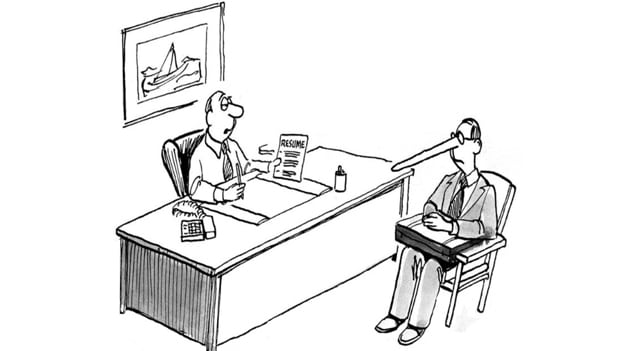
Your background investigator calls and wants to set up a meeting to discuss some things in your background. She may say just that or flatly tell you we need to schedule a “Discrepancy Interview.” We found some things in your background that did not match what you listed, or some items were found that you didn’t list. Uh-Oh. You see the future career you dreamed about all your life go down the tubes. You agree on a date and time to meet at the agency, and you hit the Häagen-Dazs to drown your sorrows in creamy frozen dairy goodness (No Ben & Jerry’s, they are assholes).
But don’t fret; a good portion of applicants have this interview to clear some things up. Remember when I said most people wouldn’t pass the background? Well, the majority of people who have a “Discrepancy Interview” move on with the rest of the process.
The reason for most discrepancies is you legitimately forgot to include something. That is what the interview is about. If it were something so significant, you might not even have the interview, and the agency is just likely to drop you at the point and spend no more resources on you. So, in essence, having a discrepancy interview can be a good thing.

The most common thing is places where you lived. Actual examples: you are 25 years old, and when you were 16, you and your parents moved into an apartment for three months while the house was renovated. Darn, I forgot about that. It seems legit, as compared to; you were arrested three years ago for domestic violence, but your girlfriend at the time refused to go forward in court…damn, I forgot about that. I don’t think so sparky…you’re out of here!
What did you wear to the interview? Remember, it is ALL part of getting the job.
Good luck to you.
 Scattered Thought